How to pause, resume, or cancel a request
Last updated: June 26, 2026
Sometimes a request shouldn't move forward — it may be a duplicate, no longer needed, or temporarily blocked. This guide covers how to cancel a request in Spendflo today, and how pause and resume will work once released.
At a glance
- Cancel a request — available now, from the request detail page.
- Pause / Resume a request — coming soon; described below so you know what to expect.
- Task-level holds (Waiting on vendor / Waiting on stakeholder) — coming soon.
Cancelling a request
Cancellation stops all active workflow tasks. It is recoverable by design — the request can be reopened later if required.
Who can cancel: the requester, the request owner, or an admin.
Steps
- Go to Requests in the left sidebar and open the request you want to cancel.

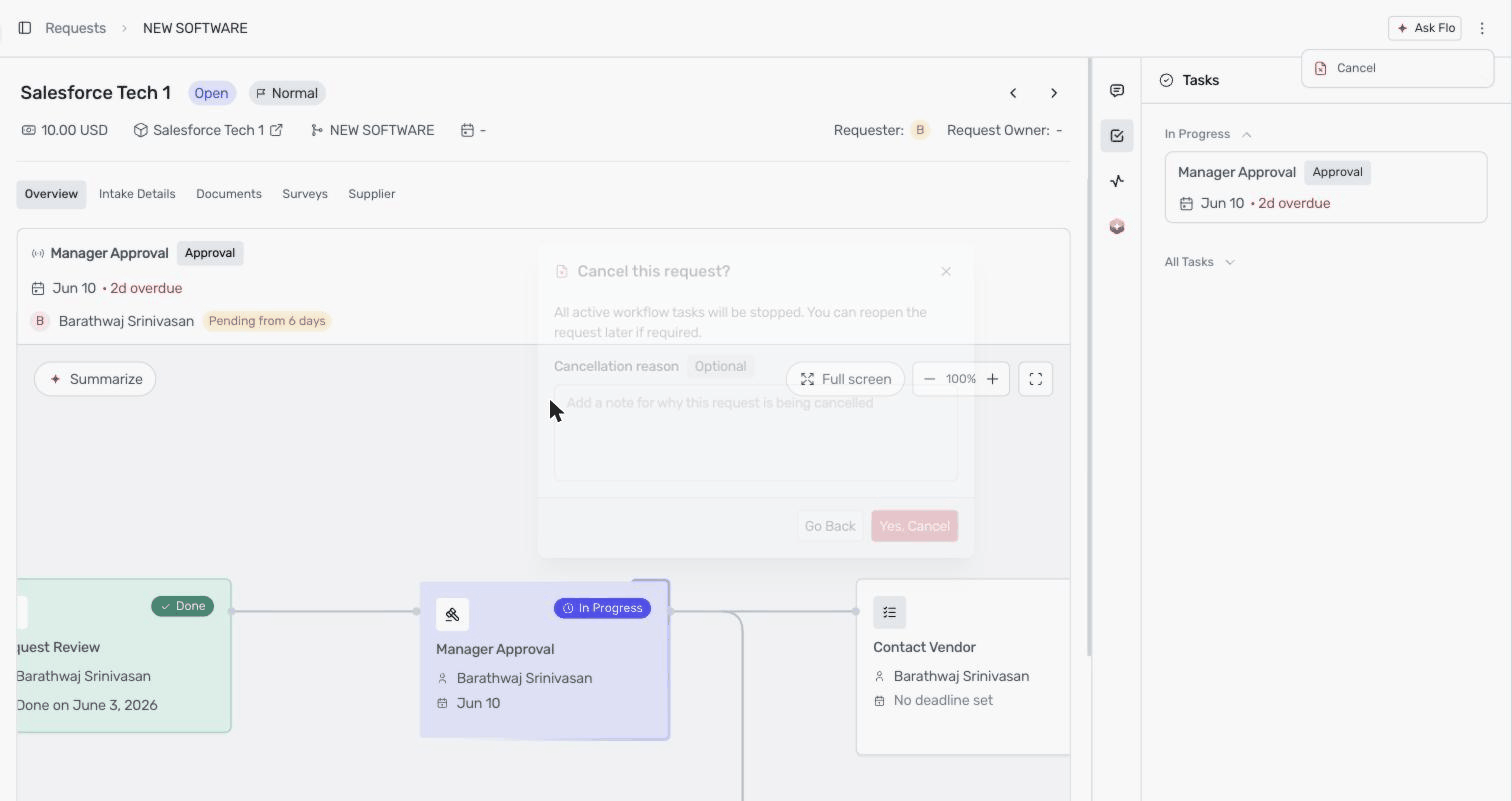
- Click the ⋯ (three-dot) menu in the top-right corner of the request detail page.

- Select Cancel.
- A confirmation dialog appears: "Cancel this request?" — All active workflow tasks will be stopped. You can reopen the request later if required.
- Optionally add a cancellation reason. The note is optional but recommended — it is stored with the request and gives approvers and reporting clear context.
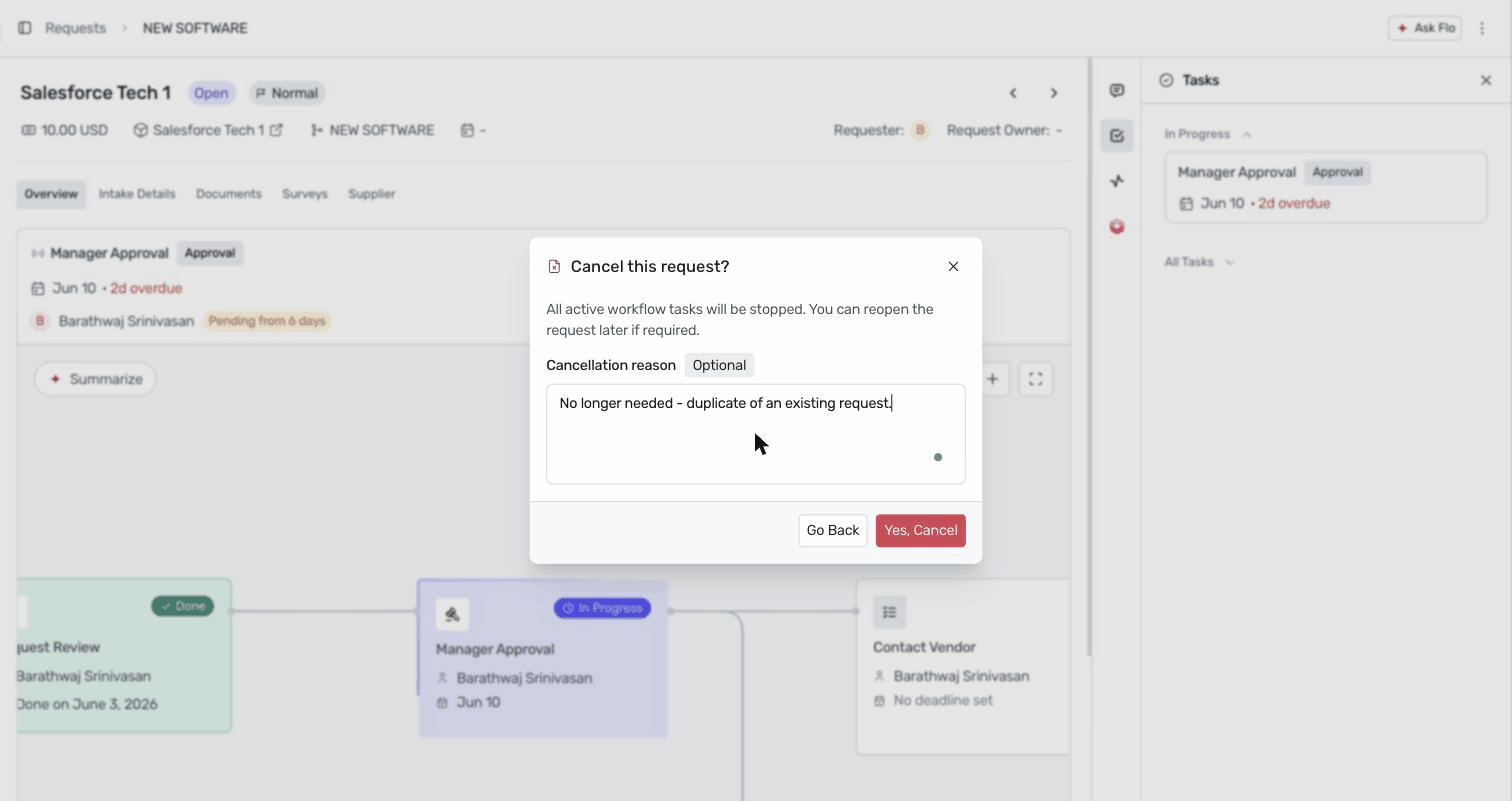
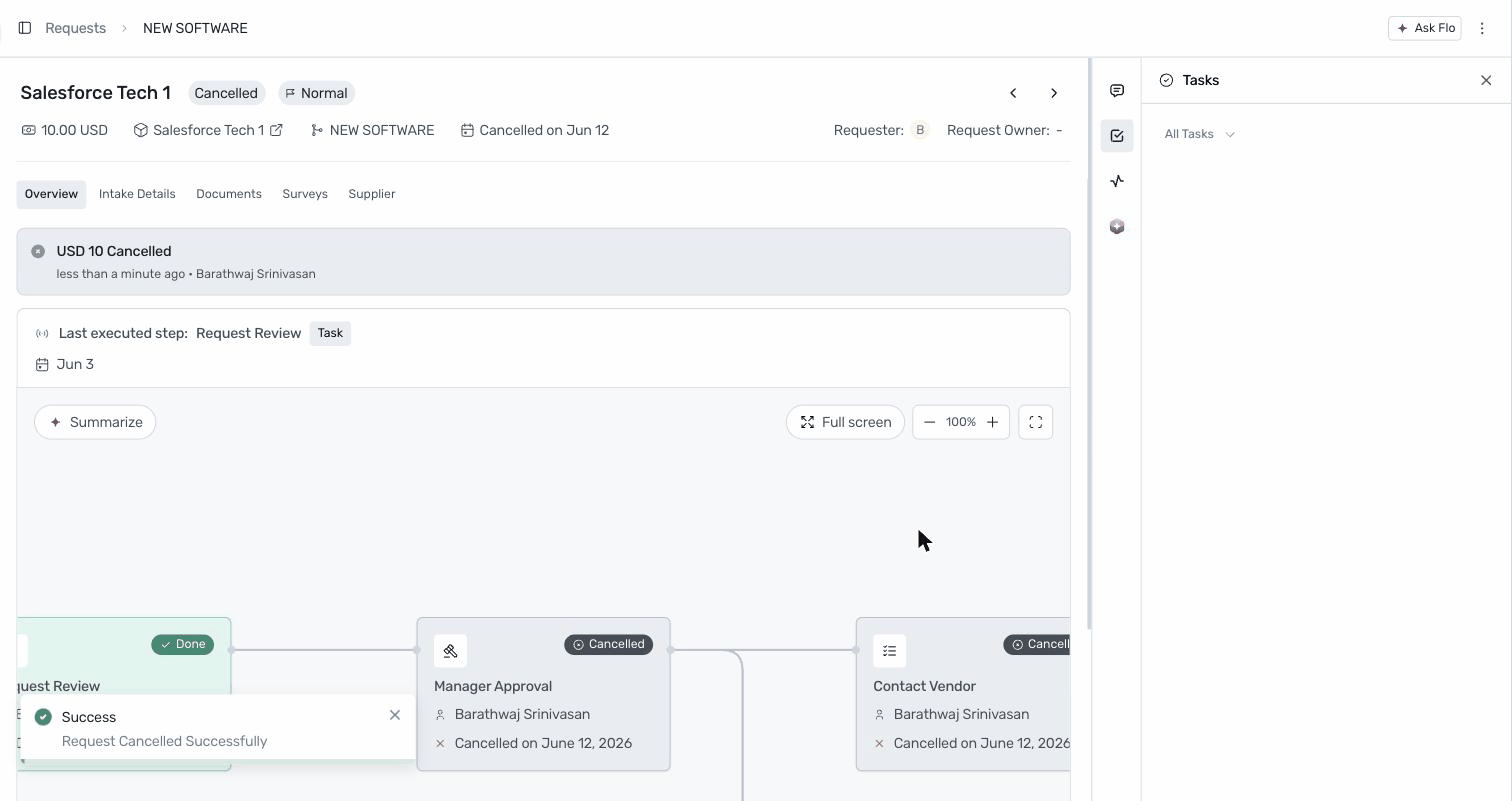
- Click Yes, Cancel. A green toast confirms: "Request Cancelled Successfully".
What happens after cancellation
- The request status changes from Open to Cancelled, and a summary banner (e.g. "USD 10,000 Cancelled") appears on the Overview tab.
- The Overview shows the last executed step before cancellation.
- All incomplete tasks are stamped "Cancelled on [date]"; completed tasks keep their Completed status.
- The request leaves the Open tab on the Requests list.
- Notifications are sent to the requester and stakeholders, including who cancelled the request.
- The audit log records who cancelled, when, and the reason. Comments and documents remain viewable read-only.
Pausing a request (coming soon)
Pausing freezes an entire request — and the SLA clocks of all its incomplete tasks — when the whole request is temporarily blocked (for example, waiting on budget approval or a vendor response). The requester, request owner, and admins will be able to pause and resume.
- Open the request and click the ⋯ menu → Pause request.
- Choose a reason (required): Waiting on budget approval, Waiting on vendor response, Waiting on internal stakeholder, Request under review, Temporary hold, or Other.
- Optionally add a comment (supports @-mentions), then click Pause.
While paused: a banner shows who paused the request, when, and why; SLA clocks and cycle time stop for all incomplete tasks; the request becomes read-only (no approvals, status changes, edits, or integration triggers); comments and private notes remain available; approval reminders are suppressed; and stakeholders are notified.
Resuming a request (coming soon)
- Open the paused request and click Resume in the pause banner (or ⋯ menu → Resume request).
- Optionally add a comment and click Resume.
On resume, all incomplete tasks return to their prior statuses and SLA clocks restart. Auto-calculated due dates are extended by the time spent paused; manually set due dates are preserved. A request can be paused and resumed multiple times, and every pause is recorded in the audit log.
Task-level holds (coming soon)
When only one task is blocked — not the whole request — the task assignee will be able to set a hold status from the task's status dropdown: Waiting on vendor or Waiting on stakeholder. This pauses only that task's SLA clock (the task badge turns amber with "On hold since [date]") while the rest of the workflow continues. The hold clears manually or automatically when a required subtask completes, and the task due date is extended by the days spent on hold.
Pause vs. Cancel — which one?
- Pause when the request is temporarily blocked but still wanted. SLA freezes; resume anytime.
- Cancel when the request should not proceed at all. Tasks are stopped; the request can be reopened later if needed.